Understanding KBB Cars: How to Check Used Car Values and Pricing
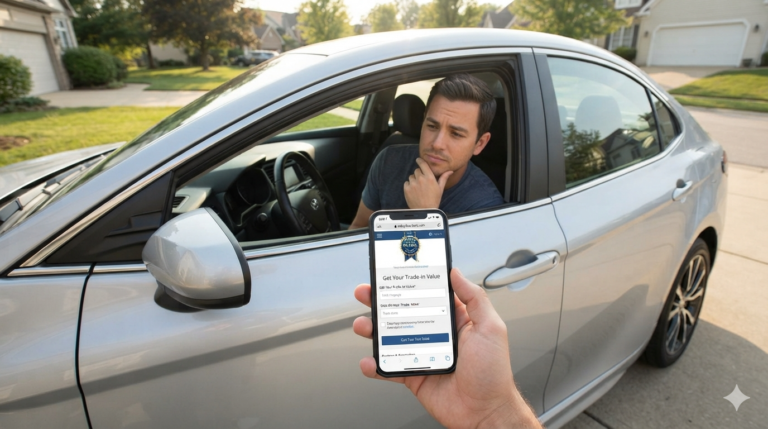
Buying or selling a car can feel very confusing. You might wonder if you are paying too much or selling too cheap. That is where tools like KBB Cars valuation guides come into play to help people. Kelley Blue Book has been a trusted helper for drivers for nearly a century. It gives you a clear starting point by looking at massive amounts of real market data. Instead of guessing a price out of thin air, you can use these vehicle values to make smart choices. Whether you are hunting for a shiny new ride or trading in your old sedan, understanding this system protects your hard-earned money. Let us dive into how these prices work and how you can use them like a pro.
What is Kelley Blue Book and Why It Matters
When people talk about kbb cars, they are referring to a famous automotive guide. This platform collects data from auctions, dealers, and real-world sales. Over the years, it has earned a strong reputation for being fair and honest. Car buyers and sellers rely on it because it cuts through the stress of negotiations. If you walk into a dealership without any knowledge, you might get a bad deal. Having an independent source of pricing data keeps things transparent. It acts like a universal translator for car prices across the entire country.
How KBB Calculates Used Car Values
Have you ever wondered how a website figures out what your car is worth? It all starts with a smart computer algorithm that checks millions of recent sales. The system looks at basic details like the make, model, year, and mileage. It also looks closely at your specific ZIP code because cars sell for different prices in different cities. For instance, a four-wheel-drive truck might cost more in snowy areas than in sunny beaches. By combining all these moving parts, the tool generates a close estimate of your vehicle’s true market worth.
Trade-In Value Versus Private Party Value
When you look up kbb cars, you will notice a few different price categories. The trade-in value is what a local car dealer will offer you if you swap your car for another. This option is fast and easy, but it usually pays less money. On the other hand, the private party value is what you get if you sell the car yourself to another person online or locally. This route takes more time and effort, but it often puts more cash in your pocket. Knowing the difference helps you pick the right selling path.
The Importance of Vehicle Condition Ratings
Your car’s physical shape plays a massive role in its final price. The evaluation tool usually asks you to grade your car from rough to excellent. Many people make the mistake of calling their old car “excellent” even if it has scratches or worn-out seats. In reality, only a tiny fraction of used cars truly fit that top tier. Being honest about dents, stains, and mechanical issues ensures you get a realistic price quote. Always check your car carefully in daylight before inputting its condition.
Mileage, Age, and Their Impact on Pricing
Mileage and age are two giant magnets that pull a car’s value downward. As a general rule, the more miles on the odometer, the lower the price goes. This happens because high mileage means more wear and tear on the engine and brakes. A car that is five years old has already taken a big hit from depreciation. However, if you keep up with regular oil changes and keep service records, you can slow down that value drop. Good maintenance always pays off when it is time to sell.
Hidden Factors: Regional Demand and Seasonality
Location and weather seasons can change car prices overnight. For example, convertible sports cars are usually more expensive in the spring and summer months. Meanwhile, SUVs and trucks with all-wheel drive see a spike in demand right before winter. Regional trends matter too. Fuel-efficient compact cars sell very fast in crowded cities, while large work trucks dominate rural markets. Checking local trends ensures your pricing strategy matches what buyers around you actually want.
Upgrades, Options, and Extra Features
Do you have leather seats, a premium sound system, or a sun roof? Those extra features can boost your car’s price above the basic baseline. When researching kbb cars, make sure to check off every special package your vehicle has. Even small upgrades like modern tech additions or brand-new tires can make your vehicle stand out. Buyers love getting extra comfort features without paying brand-new prices, which makes your listing much more attractive.
Common Mistakes to Avoid When Using Pricing Guides
Many beginners make simple errors that ruin their car pricing accuracy. One common mistake is forgetting to enter the correct ZIP code, which skews the local market data. Another mistake is hiding minor accidents or paint damage. Honesty is always your best policy because a smart buyer or a professional dealer will spot flaws during a physical inspection anyway. Take your time, fill out every form field accurately, and treat the output as a helpful guide rather than a strict law.
Complete Detailing Table: Understanding Car Pricing Tiers
| Price Type | Definition | Best For | Speed of Transaction |
| Trade-In Value | What a dealership pays to take your car. | Quick upgrades and avoiding hassle. | Very Fast (Same Day) |
| Private Party Value | What an individual buyer pays you directly. | Getting maximum cash for your car. | Slower (Weeks of listing) |
| Dealer Retail Price | What a dealership charges to sell the car. | Shopping for a reliable pre-owned vehicle. | Moderate (Based on lot stock) |
Conclusion and Next Steps
Mastering the ins and outs of kbb cars data gives you massive power in the automotive market. Whether you are upgrading your daily commuter or clearing out space in your driveway, reliable pricing data keeps you safe from bad deals. Remember to check your mileage, grade your vehicle honestly, and look at both trade-in and private party options. Now it is your turn to take action! Head over to a valuation tool, look up your vehicle’s worth, and drop a comment below sharing your best car-selling tip or experience.
Frequently Asked Questions (FAQs)
1. What does KBB stand for in the car industry?
KBB stands for Kelley Blue Book, which is a long-standing authority platform providing market data, vehicle pricing, and expert reviews for new and used cars.
2. Are Kelley Blue Book values exact guarantees?
No, they are data-driven estimates based on current market trends. The actual cash offer can vary depending on a physical inspection and local dealer negotiations.
3. How often is the pricing data updated?
The platform updates its pricing values regularly, often weekly, to reflect shifting market conditions, seasonal demands, and real-time transaction data.
4. Should I use trade-in value or private party value?
Use the trade-in value if you want a fast, convenient transaction at a dealership. Use the private party value if you want to make more money by selling directly to an individual.
5. Does car color affect its resale value?
Yes, standard colors like white, black, and silver usually appeal to more buyers, whereas rare or bright colors might limit your pool of interested purchasers.