How to Change Car Air Filter: Simple Step-by-Step Guide
Have you ever felt your vehicle lose its pep when accelerating? Just like humans, your vehicle needs clean oxygen to breathe and function properly. Dirt, road dust, and pollen can clog up your vehicle system over time. Learning How to Change Car Air Filter at home is one of the easiest ways to keep your vehicle running smoothly. It saves you an expensive trip to the local mechanic shop and takes less than fifteen minutes of your afternoon.
Many drivers avoid doing their own maintenance because they think modern vehicles are too complicated to touch. However, changing a dirty engine air filter is incredibly straightforward and requires zero technical training. In this complete guide, we will walk you through the entire process from start to finish. You will learn the exact steps to locate, remove, and replace this critical component yourself. Let us dive into everything you need to know about keeping your engine healthy.
What Does an Engine Air Filter Actually Do?
Your vehicle engine mixes fuel with oxygen to create the combustion power that moves your wheels. The engine air filter sits right at the front of this intake system to catch harmful debris. It blocks small stones, dirt particles, and leaves from entering the cylinders where they could scratch metal parts. Without a clean barrier, your engine would swallow road grime and wear out its internal pieces very quickly.
Think of it as a protective shield for your vehicle mechanical heart. A fresh barrier ensures that only pure, clean oxygen reaches the combustion chambers for burning. This balance is crucial for keeping your vehicle running at peak performance daily. Knowing how to change car air filter ensures this protective shield never gets too clogged up to do its job. It is a simple part that prevents massive, costly engine damage down the road.
Why You Should Learn This Easy DIY Task
Taking your vehicle to a repair shop for small maintenance items can hurt your wallet. Mechanics often charge high labor fees just to open a plastic box under your hood. When you master how to change car air filter items yourself, you only pay for the cheap replacement part. You can buy the exact matching piece online or at a local auto parts store for a fraction of the cost.
Beyond saving money, doing this job yourself gives you a great sense of confidence. It introduces you to the basic layout of your engine bay without any scary risks. It is a fantastic gateway task for anyone wanting to try basic home vehicle care. Plus, you get to choose the exact brand of parts that go into your beloved family vehicle.
Signs Your Vehicle Needs a New Filter
Your vehicle will usually give you a few clear warning signs when its breathing system is blocked. You might notice a drop in your total miles per gallon during weekly grocery trips. A clogged intake restricts breathing, which forces the vehicle to burn extra fuel to maintain speed. You might also hear a strange coughing or sputtering sound when your vehicle is idling at a red light.
Another common sign is a sluggish response when you press down hard on the gas pedal. If the engine cannot get enough oxygen, it cannot accelerate quickly or smoothly. In severe cases, a dirty system can trigger your dashboard check engine light to turn on. Learning how to change car air filter units lets you fix these annoying issues before they ruin a road trip.
Tools Needed for the Job
You do not need an expensive toolbox filled with professional mechanical tools for this quick task. In fact, most modern vehicles feature quick-release clips that you can unhook using just your bare hands. For other vehicle models, you might need a simple flathead screwdriver or a basic socket wrench set. Check your specific vehicle manual ahead of time to see what your plastic housing uses to stay closed.
It is also a smart idea to grab a clean rag or a small vacuum cleaner before starting. This helps you clean out any loose leaves or loose dirt sitting inside the empty plastic box. Having a pair of work gloves can also keep your hands clean from grease. Once you gather these basic household items, you are completely ready to learn how to change car air filter housings.
How to Find Your Engine Air Box
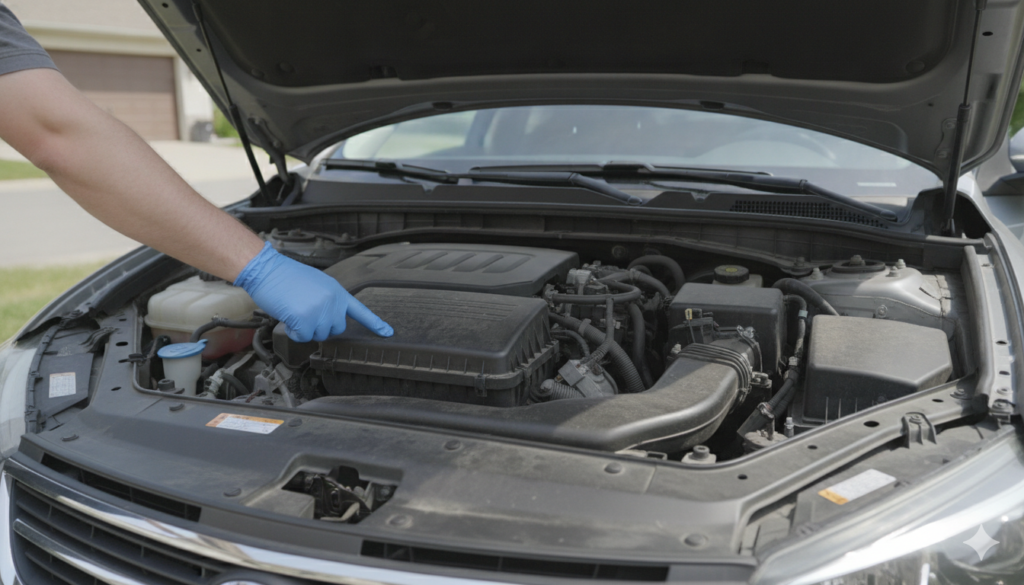
Pop your vehicle hood open and secure it safely with the metal prop rod. Look for a large, black plastic box sitting near the top or side of your engine. This housing usually has a thick, round black hose attached to its side or back end. The hose carries the clean oxygen directly into the main part of the engine system.
If you have trouble finding it, your handy owner’s manual will show an exact diagram of the engine bay. The plastic box is always placed in an easy-to-reach spot so technicians can check it quickly. Once you spot this black container, you have located the home of your filter. Now you are halfway toward knowing how to change car air filter setups like an absolute pro.
Step-by-Step Instructions to Replace the Part
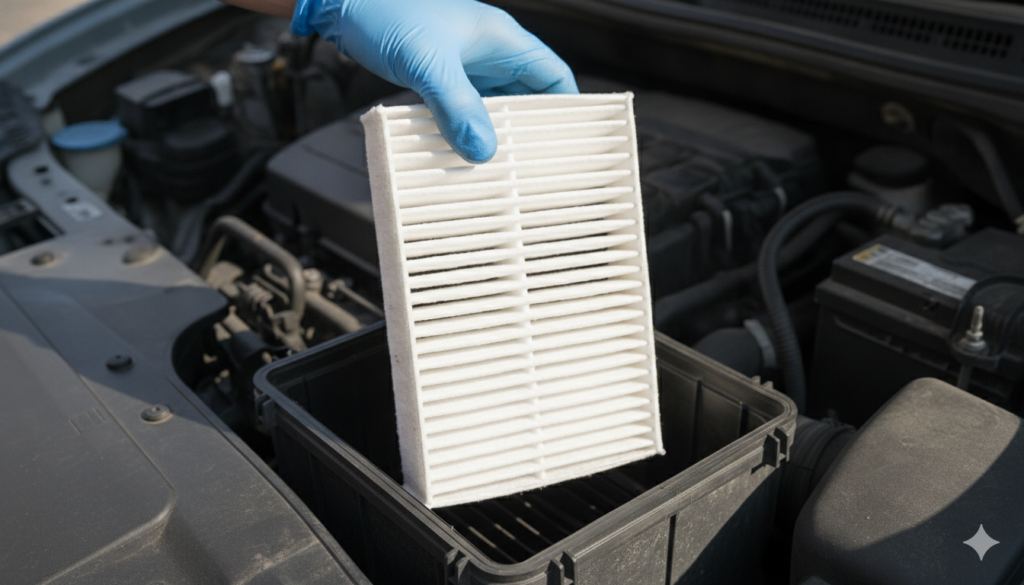
First, make sure your engine is completely turned off and cool to the touch so you do not burn yourself. Carefully unfasten the metal clips or remove the small screws holding the black plastic cover in place. Lift the plastic cover up gently to reveal the square or rectangular paper piece sitting inside. Note which way the rubber edges face before you lift the old unit out of its housing.
Take your small vacuum or clean rag to wipe away any old dust left inside the empty bottom box. Next, place your brand-new matching piece into the housing so it sits completely flat and snug. The soft rubber seal should align perfectly with the plastic edges to prevent dirty oxygen from bypassing the paper. Lower the plastic cover back down and fasten the clips tightly to complete your how to change car air filter project.
How Often to Replace Your Filter
Most vehicle manufacturers suggest installing a fresh piece every 12,000 to 15,000 miles of driving. However, your local driving environment plays a massive role in how fast the paper get clogged up. If you regularly drive on dusty dirt roads, you will need to replace it much more often. City drivers dealing with heavy traffic smoke might also need to install a fresh piece sooner.
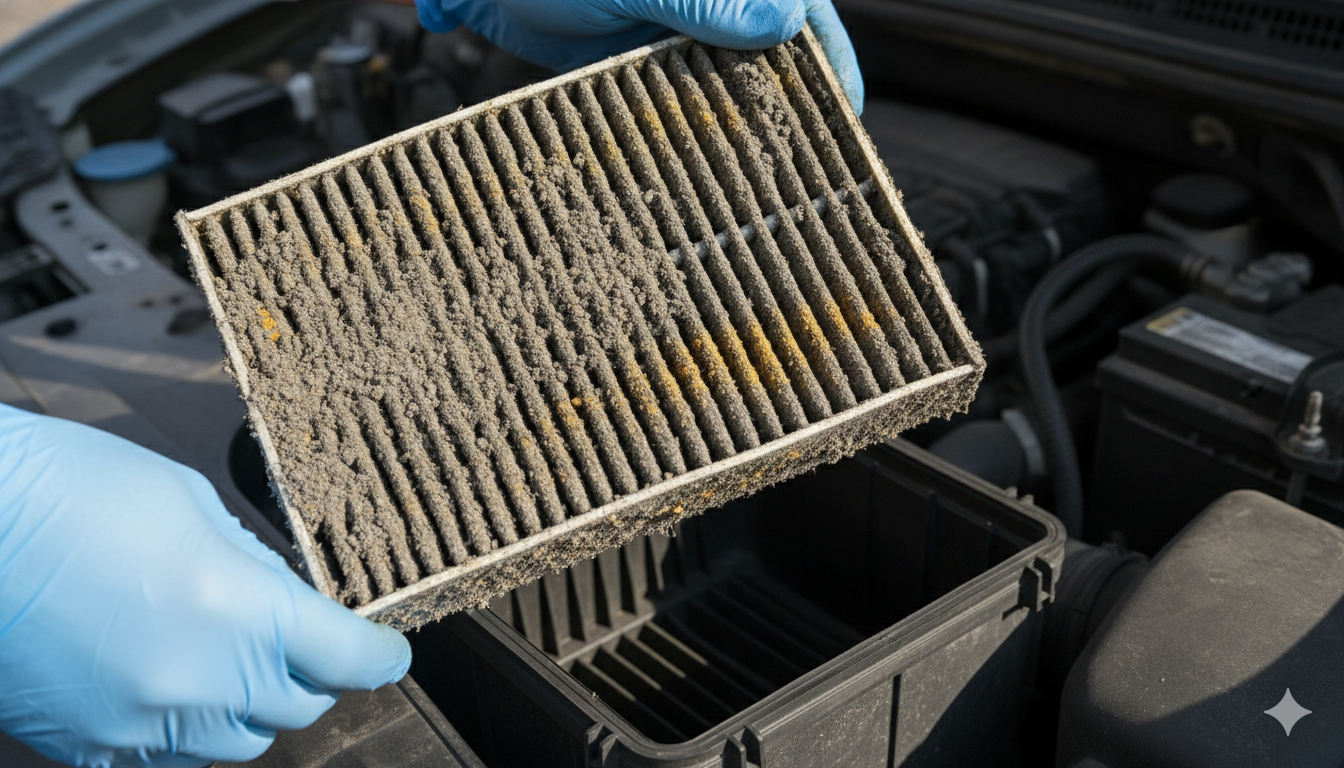
A great habit is to inspect the paper element visually every time you change your engine oil. Simply hold the piece up to a bright light bulb or look closely between the deep paper pleats. If the paper look completely dark gray or filled with thick debris, it is time for a replacement. Keeping an eye on this schedule ensures you always know how to change car air filter pieces at the perfect time.
Complete Vehicle Filter Maintenance Summary
To keep your vehicle running perfectly, it helps to understand the different filters your car uses. The engine air filter protects the machine itself, while other pieces protect you and the fuel system. Use this quick comparison table to understand what to check during your next weekend garage inspection.
| Filter Type | What It Protects | Where It Is Located | Average Replacement Interval |
| Engine Air Filter | Engine Combustion Chamber | Under the hood, black plastic box | 12,000 to 15,000 miles |
| Cabin Air Filter | Interior Passenger Air | Behind the glove box compartment | 15,000 to 20,000 miles |
| Oil Filter | Engine Lubrication System | Underneath the engine block | Every single oil change |
| Fuel Filter | Fuel Injectors and Pump | Along fuel line or inside gas tank | 30,000 to 50,000 miles |
The Benefits of Clean Engine Air
Installing a fresh part does wonders for your vehicle overall health and daily driving experience. It immediately restores the correct balance of oxygen and fuel inside the combustion system. This allows your vehicle to accelerate smoothly without hesitation when you pass other drivers on the highway. It also reduces your total tailpipe emissions, which is much better for our shared environment.
Additionally, proper breathing reduces the daily strain placed on your delicate engine components. It helps prevent unburned fuel from fouling up your spark plugs or damaging your expensive catalytic converter system. Knowing how to change car air filter setups protects these secondary parts from wearing out early. It is a tiny investment that pays off in long-term vehicle reliability.
Choosing the Right Replacement Part
When shopping for a new piece, always use your exact vehicle year, make, and model to find a match. You can look up the correct part number in your owner’s manual or use store lookup tablets. Standard factory paper pieces are highly affordable and work perfectly for normal, daily commuting needs. They offer excellent filtration traps to keep out tiny bits of damaging road dust.
If you want something that lasts longer, you can look into premium reusable fabric models. These performance pieces can be washed and oiled instead of being thrown away in the trash. However, standard paper models are much simpler for beginners who want a quick swap without any messy cleaning steps. No matter which style you pick, mastering how to change car air filter steps keeps your drive smooth.
Common Mistakes to Avoid
One major mistake beginners make is forcing the housing cover closed when the part is sitting crooked. If the rubber seal is twisted, dirty dust can slip past the edges and enter your engine directly. Always ensure the pleated paper sits entirely flush inside the lower plastic box before fastening the clips. Never use a hammer or heavy force to snap the plastic clips back into place.
Another mistake is trying to clean a cheap disposable paper piece using high-pressure compressed shop air. Blasting high-pressure air through old paper can blow tiny, invisible holes straight through the delicate filtration material. These hidden holes allow dangerous dirt particles to pass right into your engine cylinders later. When the piece is visibly filthy, skip the cleaning and focus on how to change car air filter replacement steps instead.
FAQs About Car Air Filters
Can I drive my vehicle without an air filter installed?
You should never run your vehicle engine without a proper filtration barrier inside the housing. Driving without one allows road grit, sand, and pebbles to get sucked straight into the engine cylinders. This will cause catastrophic mechanical damage and ruin your engine within just a few miles of driving.
What happens if I ignore a clogged filter for too long?
Ignoring a dirty system will slowly choke your engine and cause a severe drop in fuel economy. Over time, the restricted breathing can cause rough engine idling, engine misfires, and broken spark plugs. It can also cause dark smoke to blow out of your exhaust pipe.
Are engine filters and cabin filters the exact same thing?
No, they serve completely different purposes inside your vehicle. The engine piece cleans the oxygen going into the motor to keep it running smoothly. The cabin piece cleans the oxygen coming through your heater and air conditioning vents to keep you healthy.
How can I tell if my filter is too dirty to use?
Take the piece out and look closely between the deep paper folds under a bright light. If the paper backing looks deep black, dark gray, or covered in oil, it needs to be swapped out. If you see simple loose leaves, you can tap them out gently if the paper is still white.
Do I need special mechanical training to do this swap?
You do not need any mechanical training or professional background to complete this simple task at home. It is designed by car manufacturers to be a quick, user-friendly maintenance item for everyday vehicle owners. Following a basic guide is all you need to succeed.
Will changing my own filter void my factory vehicle warranty?
No, performing basic maintenance like changing a filter will not void your factory vehicle warranty. Laws protect consumers and allow them to service their own vehicles or use aftermarket parts safely. Just keep your purchase receipts to show you followed the recommended service schedule intervals.
Conclusion and Next Steps
Learning how to change car air filter elements is a fast, rewarding DIY project that keeps your vehicle happy. It boosts your fuel efficiency, protects your engine from expensive wear, and saves you hard-earned money. Now that you know the simple steps, take a peek under your hood this weekend to check its condition. Grab a fresh replacement part today and give your trusted vehicle the clean breath of fresh air it deserves!