Rockwell Collins: History, Aerospace Technology, Products, and Company Legacy
Rockwell Collins is a well-known name in the history of aviation technology. For many years, the company developed equipment that helped pilots communicate, navigate, and operate aircraft. Its technologies served commercial aviation, business aviation, and military customers. The company became especially known for avionics, flight controls, communications, connectivity, and aircraft systems.
Today, the original Rockwell Collins company no longer operates as an independent business. United Technologies completed its acquisition in November 2018. It combined the company with UTC Aerospace Systems to create Collins Aerospace Systems.
That change did not erase its influence. Many technologies, skills, and business operations associated with the former company became part of Collins Aerospace. This article explains its story in simple terms. It also explores its products, acquisition, aviation role, and continuing aerospace legacy.
Rockwell Collins Company Profile
| Detail | Information |
| Company Name | Rockwell Collins, Inc. |
| Industry | Aerospace and aviation technology |
| Business Type | Former independent aerospace company |
| Historical Headquarters | Cedar Rapids, Iowa, United States |
| Known For | Avionics, communications, navigation, flight controls, connectivity |
| Main Markets | Commercial, business, and military aviation |
| Former Stock Symbol | COL |
| Major Deal Announced | 2017 |
| Acquisition Completed | November 26, 2018 |
| Acquirer | United Technologies Corporation |
| Acquisition Offer | $140 per Rockwell Collins share |
| Combined Business | Collins Aerospace Systems |
| Current Legacy | Part of Collins Aerospace operations and technology heritage |
| Current Parent Organization | RTX |
| Major Related Fields | Aerospace engineering, electronics, software, aircraft systems |
United Technologies announced an agreement in 2017 to acquire the company for $140 per share in cash and stock. The transaction had an indicated total value of about $30 billion, including assumed net debt.
What Was Rockwell Collins?
Rockwell Collins was an aerospace technology company with a strong focus on aircraft systems. Its work was much broader than making a single aircraft component. The business developed systems that supported communication, navigation, information management, flight operations, and other important aircraft functions.
Think about the technology pilots need during a flight. They need accurate information and dependable communication. They also need displays and controls that present information clearly. Companies specializing in avionics help make these functions possible.
Rockwell Collins built its reputation in these complex technology areas. Its customers included companies and organizations operating different types of aircraft. The business became recognized for aviation and high-integrity solutions serving commercial and military customers. Before the acquisition, its portfolio included avionics, flight controls, aircraft interiors, data connectivity, and related technologies.
The History Behind Rockwell Collins
The Rockwell Collins name is connected with a long history of communications and electronics development. Over time, its capabilities moved deeper into aviation electronics and sophisticated aircraft systems.
That history matters because aerospace products are not created overnight. Aircraft technology requires years of research, testing, engineering, certification, and customer support. Companies must also keep systems dependable for long operating periods.
As aviation became more digital, electronics became increasingly important. Cockpits gained advanced screens, computers, communication equipment, and digital navigation tools. This created new opportunities for companies with deep electronics experience.
Rockwell Collins developed around these changing needs. It eventually became associated with modern avionics and connected aircraft technology. Its history also shows how aviation moved from separate mechanical instruments toward highly integrated digital systems.
Why Rockwell Collins Became Important in Aviation
The importance of Rockwell Collins came from the role technology plays inside modern aircraft. Pilots need systems that can provide useful information at the right moment. Airlines also need reliable equipment that can support safe and efficient operations.
The company’s technologies addressed several parts of this challenge. Its portfolio included flight controls, avionics, communications, connectivity, and other aircraft solutions. These were valuable in commercial and military markets.
Aviation electronics must work under demanding conditions. Reliability, accuracy, integration, and long-term support are important considerations. One system may also need to exchange information with several other systems.
This is why aerospace engineering involves much more than creating impressive hardware. Products need to work together as part of a larger aircraft environment. The former company’s experience with integrated systems helped build the reputation behind its name.
Rockwell Collins and Avionics Technology
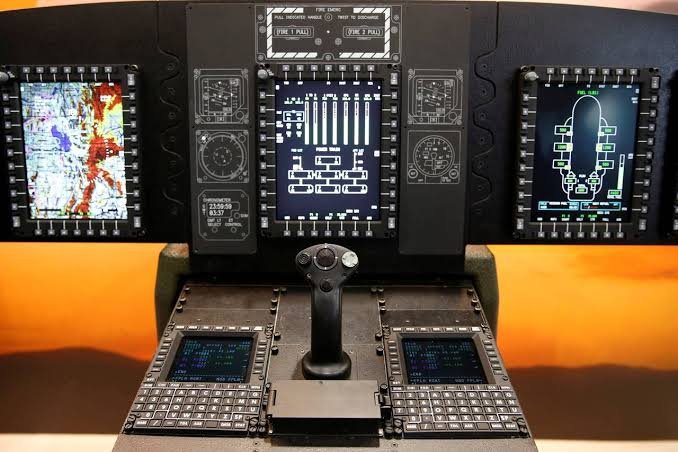
Avionics is one of the most important terms connected with Rockwell Collins. In simple words, avionics means electronic systems used on aircraft and related platforms. These can include cockpit displays, navigation equipment, communications systems, computers, and flight management technologies.
Modern pilots receive a large amount of information. Good avionics helps organize that information. Instead of forcing crews to work with scattered data, integrated systems can present important details in a clearer way.
This approach can support better situational awareness and smoother cockpit workflows. It also shows why software became increasingly important alongside traditional aerospace hardware.
The same trend continues today. Collins Aerospace is developing technologies involving avionics, software, connectivity, and more automated flight-deck functions. For example, the current business has demonstrated pilot-focused semi-autonomous software designed to assist with manual tasks while keeping pilots involved in decision-making.
Communication and Navigation Systems
Communication is essential in aviation. Pilots must communicate with air traffic controllers and other relevant operations teams. Aircraft also need navigation information to follow planned routes accurately.
Rockwell Collins developed technologies within these areas as aviation systems became more connected. Such equipment forms part of a much larger network involving aircraft, airports, operators, and air traffic infrastructure.
Navigation has also changed greatly over time. Modern aviation increasingly uses digital data, advanced sensors, satellite-supported systems, and integrated cockpit displays.
The value comes from integration. A navigation tool becomes more useful when important information can be presented clearly to the crew. Communication technology becomes more effective when it fits smoothly into normal cockpit operations.
This focus on connected systems became an important part of the company’s aerospace identity and continues to influence the broader technology portfolio associated with Collins Aerospace.
Commercial Aviation and Business Aircraft
Commercial aviation created an important market for Rockwell Collins technology. Airlines operate aircraft on demanding schedules. They need systems that can support dependable operations, effective communication, navigation, and information management.
Business aviation has similar needs. Corporate aircraft may use sophisticated cockpit equipment, cabin technologies, communications, and connectivity solutions. Passengers increasingly expect digital services while pilots require dependable flight systems.
This helped make avionics companies important partners for aircraft manufacturers and operators. A modern aircraft contains many interconnected systems, and those technologies need long-term engineering and service support.
Today, Collins Aerospace has a large commercial business. Its current company profile says 65% of its sales portfolio is commercial, while 35% is defense. It also reports that 55% relates to original equipment and 45% to aftermarket activities.
Those current figures describe Collins Aerospace, not the former standalone Rockwell Collins company.
Military and Defense Aerospace Technology
Rockwell Collins also served military customers. Military aircraft can have very demanding communication, navigation, display, and information requirements. Equipment may need to perform reliably in difficult environments while supporting complex missions.
This part of aerospace requires specialized engineering. Systems may need secure communications, dependable positioning, advanced displays, and integration with other aircraft equipment.
The former company was recognized for providing aviation and high-integrity solutions to both commercial and military customers. Its capabilities were one reason the United Technologies transaction attracted major attention within the aerospace industry.
The defense connection also continues within the modern Collins Aerospace portfolio. Collins Aerospace now operates as an RTX business and works across commercial aerospace and defense-related markets. Its technologies cover areas ranging from aircraft systems to broader aerospace applications.
This makes the old Rockwell Collins name part of a much larger aerospace story.
B/E Aerospace and Business Expansion
Before its acquisition by United Technologies, Rockwell Collins had already been expanding its capabilities. One important part of that development involved B/E Aerospace.
Expansion into additional aircraft technologies made strategic sense because aerospace customers often work with many suppliers. A broader product portfolio can allow one company to provide more integrated solutions.
This strategy also shows how the aviation supply industry changed. Manufacturers increasingly looked for suppliers with strong engineering knowledge across several aircraft systems.
Integration, however, is never simple. Combining businesses requires aligning products, employees, supply chains, customer relationships, and technology strategies. It can take years before every part operates under a unified structure.
The experience gained through these changes became part of the knowledge carried into the later Collins Aerospace organization. Current RTX leadership information still references former Rockwell Collins roles and work related to planning the B/E Aerospace acquisition.
United Technologies Acquisition of Rockwell Collins
A major turning point arrived in September 2017. United Technologies announced an agreement to acquire Rockwell Collins. The offer valued each Rockwell Collins share at $140 through a combination of cash and UTC stock. The announced transaction value was about $30 billion, including assumed net debt.
The transaction was significant because the two businesses had complementary aerospace capabilities. UTC Aerospace Systems already supplied many aircraft systems. Rockwell Collins brought additional strengths in areas such as avionics, flight controls, aircraft interiors, and connectivity.
The acquisition officially closed on November 26, 2018. United Technologies reported $15.5 billion in cash consideration and 62.2 million UTC shares, while $7.8 billion of Rockwell Collins debt was outstanding at the acquisition date.
For readers researching the old company today, this acquisition explains why the original corporate name is no longer the main operating brand.
How Collins Aerospace Was Created
The acquisition resulted in a new organization called Collins Aerospace Systems. United Technologies combined UTC Aerospace Systems with Rockwell Collins to create the business.
At the time, the combined organization was described as having around 70,000 employees at approximately 300 sites. Its 2017 pro forma annual sales were about $23 billion. These numbers describe the organization at the time of its creation, not its present size.
Combining the companies created a much wider technology portfolio. Instead of focusing on only one part of an aircraft, the new organization could work across electrical, mechanical, and software systems.
This helps explain the strategy behind the deal. Aircraft manufacturers increasingly value integrated technologies. Digital systems, sensors, controls, software, and mechanical components must communicate effectively.
The creation of Collins Aerospace therefore marked both the end of Rockwell Collins as an independent company and the start of a larger aerospace organization.
Where Is Rockwell Collins Today?
Someone searching for Rockwell Collins today may still see the old name in documents, product histories, supplier information, facility references, or technical material. However, it should not be confused with a separate current public company.
Its business operations became part of Collins Aerospace following the 2018 acquisition. Collins Aerospace is now an RTX business.
The modern organization is much larger than the original company. RTX reports that Collins Aerospace has more than 80,000 employees, over 20,000 engineering workers, and more than 250 sites globally. The company also reports $28.3 billion in 2024 adjusted sales and about $4 billion invested annually.
These numbers belong to today’s Collins Aerospace organization. They should not be presented as historical Rockwell Collins figures.
That distinction is important for students, job seekers, customers, researchers, and anyone reading older aerospace documents.
Technology Legacy of Rockwell Collins
The strongest Rockwell Collins legacy is its contribution to aviation electronics and integrated aircraft technology. Aerospace innovation often builds on decades of engineering work. New products rarely appear without knowledge gained from older systems.
This makes company history useful when understanding modern aviation technology. The old business developed experience in avionics, communications, flight controls, connectivity, and aircraft information systems.
Many of those broad technology areas remain important today. Modern aircraft are becoming more connected and software-driven. Pilots receive information from many sources, while operators increasingly depend on digital data for planning and maintenance.
Collins Aerospace continues working in advanced aerospace technology. Current projects include avionics, autonomous assistance, airspace surveillance, and radar systems. In 2026, RTX announced a $26.5 million expansion at a Collins Aerospace facility in Florida to increase production of commercial aviation radars and other systems.
The technology has evolved, but the emphasis on aerospace systems continues.
Careers and Engineering Influence
The history of Rockwell Collins is also a story about engineers and skilled technical workers. Aerospace products require expertise in software, electronics, mechanical engineering, testing, manufacturing, quality, and program management.
That talent did not simply disappear after the acquisition. Employees, facilities, technical knowledge, and programs became part of the combined Collins Aerospace organization.
For people interested in aerospace careers, this history offers a useful lesson. Aviation companies change through mergers, acquisitions, new technology, and changing customer needs. Technical skills can continue across those changes.
Today’s Collins Aerospace reports an engineering workforce exceeding 20,000 people. That figure represents the current company rather than the former independent Rockwell Collins workforce.
Software development, electronics, cybersecurity, systems integration, manufacturing, data analysis, and artificial intelligence are increasingly connected with aerospace engineering. This creates a much broader career landscape than traditional aircraft manufacturing alone.
Why People Still Search for Rockwell Collins
There are several reasons people still search for Rockwell Collins years after its acquisition. Older aircraft may contain equipment carrying the former company name. Historical documents and manuals may also use it.
Investors may research the company because of its acquisition history. Job seekers can encounter the name while reading older employment records or professional profiles. Aviation students may find it while studying avionics development.
The name can also appear within current supplier resources. For example, RTX’s current sales and use tax resources still list Rockwell Collins under Collins Aerospace legacy-related documentation.
Therefore, seeing the name does not automatically mean someone has found a separate modern company. Context matters.
For current corporate information, Collins Aerospace and RTX are generally the relevant organizations. For historical products, transactions, or documents, searching the older name may still be necessary.
Rockwell Collins and the Future of Aerospace
The independent Rockwell Collins era ended in 2018, but many technology themes connected with it remain important. Aviation is becoming more digital, connected, and data-focused.
Future cockpits may give pilots more intelligent assistance. Aircraft systems can increasingly share useful information. Better sensors and software can help operators understand aircraft performance. Modern radar can also help manage increasingly complex airspace.
Collins Aerospace is currently working in several of these areas. RTX describes ongoing development of pilot-centric autonomy technology that can assist crews with tasks while leaving critical decision-making with humans.
Airspace technology is evolving too. RTX says Collins Aerospace is producing newer surveillance radar systems as part of modernization work.
These developments should be viewed as current Collins Aerospace projects rather than products of the former independent company. Still, they demonstrate how aerospace expertise continues to evolve after major corporate changes.
Conclusion
Rockwell Collins holds an important place in aerospace technology history. The company became widely associated with avionics, communications, navigation, flight controls, connectivity, and other aircraft systems.
Its biggest corporate change came when United Technologies acquired the business in 2018. Rockwell Collins and UTC Aerospace Systems were then combined to create Collins Aerospace Systems.
Today, Collins Aerospace operates as an RTX business. The old Rockwell Collins name remains useful when researching historical equipment, company records, aerospace developments, and the major acquisition.
Understanding this timeline also prevents a common mistake. Rockwell Collins should not be treated as an independent company today. Its technology heritage lives within a much larger aerospace organization.
For readers interested in aviation, the company’s story offers a clear example of how electronics, software, engineering, and corporate change can shape the aerospace industry.
FAQs
1. What is Rockwell Collins?
Rockwell Collins was an American aerospace technology company. It was widely known for avionics, communications, navigation, flight controls, connectivity, and related aircraft systems. The business served commercial and military aviation markets. It later became part of a much larger aerospace organization after United Technologies completed its acquisition.
2. Does Rockwell Collins still exist?
Not as the same independent company. United Technologies completed its acquisition on November 26, 2018. UTC Aerospace Systems and Rockwell Collins were then combined to form Collins Aerospace Systems. Today, Collins Aerospace operates as an RTX business.
3. What happened to Rockwell Collins stock?
Rockwell Collins previously traded under the ticker COL. Its acquisition ended its life as a separately traded public company. Under the announced deal, shareholders were offered $140 per share through a combination of cash and United Technologies stock, subject to the transaction’s stated terms.
4. What products was Rockwell Collins known for?
The company was best known for aviation and aerospace systems. Its capabilities included avionics, flight controls, communication equipment, aircraft interiors, and data connectivity solutions. These technologies served different aviation markets and helped establish the company’s reputation within the aerospace industry.
5. Is Rockwell Collins the same as Collins Aerospace?
They are connected, but they are not exactly the same company. Collins Aerospace was formed by combining Rockwell Collins with UTC Aerospace Systems after the 2018 acquisition. Therefore, Collins Aerospace includes the heritage and capabilities of multiple former aerospace businesses.
6. Who owns Rockwell Collins today?
The former Rockwell Collins business became part of Collins Aerospace after its acquisition by United Technologies. Collins Aerospace now operates as a business of RTX. For current company information, readers should generally look for Collins Aerospace rather than treating the former Rockwell Collins corporation as a separate business.