Car Storage Near Me: The 2026 Expert Guide to Vehicle Storage Units
Finding reliable Car Storage Near Me can feel like a stressful chore. Whether you own a vintage classic car, need temporary vehicle storage for a big move, or want to clear your home garage parking space, choosing the right spot matters. Leaving your investment in a random lot down the road can lead to flat tires, dead batteries, or even rust from high humidity.
This professional guide breaks down everything you need to know about secure vehicle storage units. We will look closely at national average monthly costs, essential facility security features, and how to choose between cheap outdoor parking spaces and premium indoor climate-controlled storage units. By understanding your options, you can keep your automobile safe, dry, and running smoothly until you are ready to drive it again.
Why You Might Need Vehicle Storage Units Today
Life changes quickly, and sometimes your home garage parking space simply runs out of room. Many homeowners find themselves looking for a secure car storage near me because of neighborhood HOA rules that ban long-term driveway parking. Others need a safe haven for their sports car during harsh winter months when salt and snow ruin paint jobs.
Deploying your vehicle to a professional self-storage facility keeps it hidden from local vandals and bad weather. It also frees up your driveway for daily drivers, saving you from constant car shuffling. If you are going on a military deployment or a long business trip, finding a dedicated spot offers great peace of mind.
Choosing Indoor Car Storage vs. Outdoor Parking Spaces
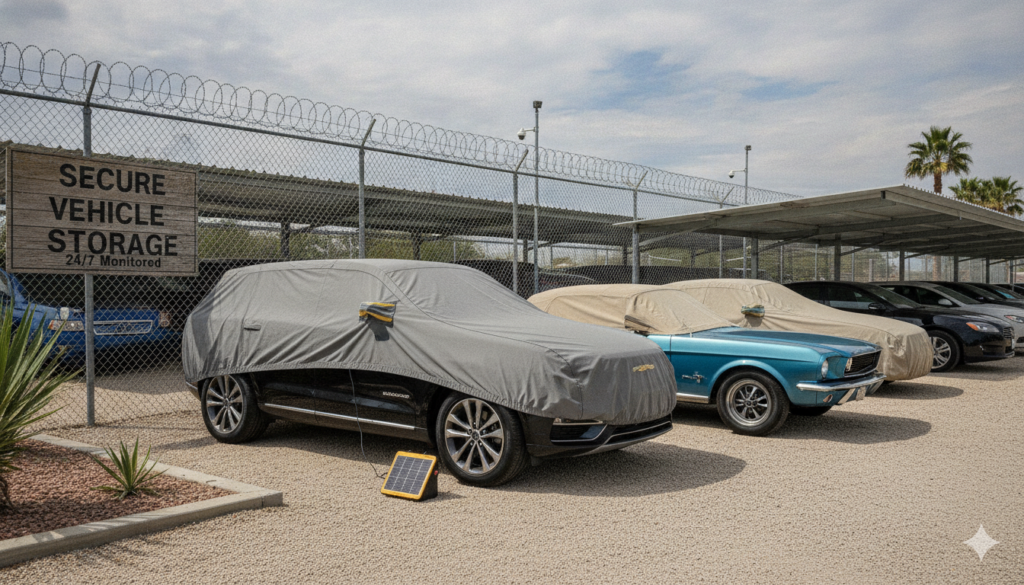
When searching for car storage near me, you will generally encounter three main layout options. The first is uncovered outdoor parking spaces, which resemble a standard parking lot surrounded by a secure fence. This is always the cheapest car storage option, making it popular for durable daily drivers or budget-conscious projects.
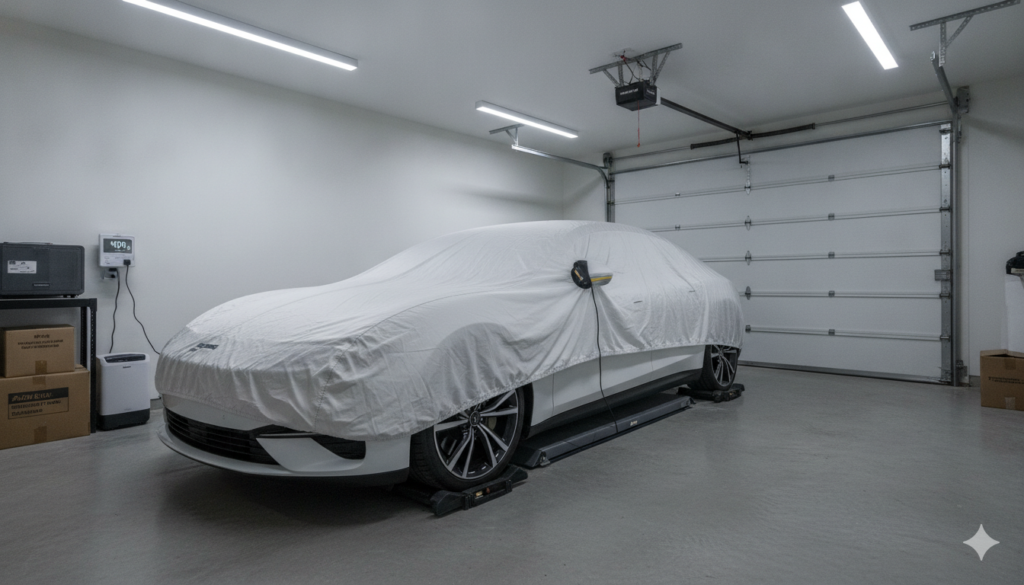
The second option is covered vehicle storage, which uses large carports to block direct sunlight and heavy hail. The premium choice is indoor car storage, where your automobile sits entirely enclosed inside a drive-up storage unit. Enclosed storage units shield your car completely from rain, dust, and pests, making them perfect for high-value collector items.
Understanding Climate-Controlled Storage Units for Cars
Standard self-storage units work fine for short stays, but premium automobiles often require climate-controlled storage units. These special spaces maintain a steady temperature between 60°F and 70°F and keep humidity levels around 65 percent. This steady environment stops rapid metal expansion, which can crack windshields or warp delicate internal components.
High humidity levels are the enemy of any vehicle because moisture accelerates body rust and ruins electrical wiring. It also creates a breeding ground for mold and mildew inside leather seats and fabric headliners. If you are storing a luxury vehicle, a classic hot rod, or an electric car with a sensitive battery pack, paying extra for temperature control is a smart investment.
Finding the Best Car Storage Unit Size for Your Vehicle
Picking the wrong size layout can cause major headaches when parking your vehicle. A standard compact car or a small sports car usually fits perfectly inside a 10×15 storage unit. However, if you own a larger sedan, a mid-sized crossover, or a vintage muscle car, you will want to look for a 10×20 storage unit to ensure you have enough room to open the doors.
For large pickup trucks, full-sized SUVs, or owners needing light additional storage space alongside their vehicle, a 10×30 storage unit is the best option. Always measure your vehicle from bumper to bumper before booking an online reservation. You want to make sure you have extra space to walk around the machine safely.
National Average Monthly Cost for Car Storage
The amount you pay for a car storage near me depends mostly on your city, the unit size, and the protection level you select. On average, cheap outdoor parking spaces cost between $50 and $150 per month across the country. If you prefer a basic indoor drive-up storage unit, expect prices to run from $100 to $300 monthly based on local demand.
Premium climate-controlled storage units generally cost 20 to 35 percent more than standard units, often landing between $150 and $450 per month. Major urban centers like Los Angeles or New York see much higher rates due to limited real estate. Booking your rental during the winter off-season or checking for online first-month promotions can save you a lot of money.
2026 Vehicle Storage Comparison Table
| Storage Type | Average Monthly Cost | Protection Level | Ideal Vehicle Type | Key Benefit |
| Outdoor Parking | $50 – $150 | Low to Moderate | Daily Drivers, Older Trucks | Lowest monthly price |
| Covered Carport | $80 – $180 | Moderate | Work Trucks, SUVs, Boats | Blocks sun, rain, and hail |
| Standard Indoor (10×20) | $100 – $300 | High | Standard Cars, Sedans | Total protection from elements |
| Climate-Controlled Indoor | $150 – $450 | Maximum | Classic Cars, Luxury, EVs | Controls temperature and rust |
Key Facility Security Features to Look For
Never pick a car storage near me based on price alone because the safety of your property is what matters most. Top-tier self-storage facilities utilize automated electronic gates that require a unique customer PIN code for entry. This restricted access ensures that random strangers cannot wander around your parked asset.
Make sure the location features 24/7 digital video surveillance with high-definition cameras monitoring all driving lanes. Bright LED lighting across the property is another critical factor for nighttime safety. Some premium vehicle storage locations even feature on-site security personnel or live-in managers who keep a watchful eye on the perimeter every single day.
How to Prepare Your Engine and Fluids for Storage
You should never simply park your machine and walk away for six months. If your automobile will sit for more than 30 days, visit a local mechanic for an oil change right before drop-off. Used engine oil contains harmful acids that can corrode internal brass engine bearings if left sitting over time.
Next, head to a gas station, top off the fuel tank completely, and add a high-quality fuel stabilizer. A full tank prevents condensation from forming inside the fuel system, which stops water from rusting the tank walls. Run the engine for ten minutes after adding the stabilizer to ensure the treated fuel circulates through the fuel lines and injectors.
Smart Battery Care for Long-Term Car Storage
A dead battery is the single most common issue people face when picking up their vehicle. Modern cars have always-on computer systems that slowly drain battery power even when the ignition is completely turned off. To prevent this, you should ideally connect a smart battery maintainer or a trickle charger if your indoor unit has an electrical outlet.
If your chosen car storage near me does not offer power outlets, simply disconnect the negative battery cable using a small wrench. This simple step stops the slow electrical drain completely. For long-term vehicle storage lasting over six months, removing the battery entirely and keeping it on a wooden shelf at home is the safest bet.
Protecting Your Tires from Flat Spots
When a heavy automobile sits in one spot for months, the constant downward pressure can flatten the bottom of the rubber tires. These permanent flat spots cause annoying vibrations and dangerous ride issues when you start driving again. Over-inflating your tires by 5 to 10 PSI before storage helps them keep their round shape against concrete floors.
For extended seasonal storage, placing rigid jack stands under the vehicle frame to lift the tires completely off the ground is an excellent practice. If lifting the car is not allowed by the facility rules, you can purchase curved tire cradles or rubber mats. Visiting the facility once a month to roll the vehicle forward a few inches also helps distribute the weight evenly.
Essential Exterior and Interior Cleaning Tips
Washing your automobile before placing it inside a car storage near me might seem silly, but it protects your exterior finish. Environmental contaminants like bird droppings, tree sap, and road salt can permanently eat through your clear coat if left unwashed. Applying a fresh coat of automotive wax creates a protective shield against dust and light moisture.
Inside the cabin, vacuum up every single food crumb and remove all wrappers or trash bags. Lingering food smells will attract hungry field mice and insects looking for a warm place to nest. Wipe down all hard surfaces, and leave a few baking soda boxes on the floorboards to absorb stale odors and prevent mildew growth.
How to Keep Destructive Pests Out of Your Car
Rodents love turning stored vehicles into their personal chewing toys. Mice can cause thousands of dollars in damage by chewing through critical engine wiring harnesses and nesting inside air intake boxes. To prevent this nightmare, stuff clean steel wool into your exhaust pipe openings and fresh air intakes to block their entry.
You can also place natural deterrents like peppermint oil drops or scented dryer sheets inside the cabin and around the tires. Avoid using toxic chemical rat poison inside the vehicle because a dying rodent can crawl deep into your dashboard and create an awful smell. Always remember to remove your steel wool plugs before starting the engine up again.
Insurance and Legal Steps Before Parking Your Car
Before locking the door on your new storage unit, call your auto insurance provider to update your policy details. Many companies offer special comprehensive-only storage insurance that removes collision coverage while your car is safely parked. This simple adjustment can slash your monthly insurance bills while still protecting you against theft, fire, or building damage.
Additionally, check your local city parking ordinances and vehicle registration rules. Even when parked inside a private business, most self-storage facilities require your automobile to be fully registered, operational, and insured. You will need to show a valid copy of your title or registration paperwork to the facility manager when signing your rental contract.
Frequently Asked Questions (FAQs)
Can I store a car in a standard 10×20 storage unit?
Yes, a 10×20 storage unit is the industry-standard size for parking a typical vehicle. It provides plenty of room for standard sedans, sports cars, compact crossovers, and small trucks, while leaving a little extra space around the sides for easy access.
Is it worth paying extra for climate-controlled car storage?
Absolutely, especially if you are storing a luxury vehicle, an electric car, or a classic automobile for more than a few weeks. The constant temperature and managed humidity prevent rust, protect delicate engine computers, and stop interior leather from cracking or growing mold.
How often should I visit my car while it is in storage?
If possible, you should visit your vehicle once every three to four weeks. Let the engine run until it reaches full operating temperature, turn on the air conditioner to keep the seals lubricated, and roll the car slightly to change the tire pressure points.
Do I need to keep insurance on my vehicle while it is stored?
Yes, you should always maintain comprehensive insurance coverage on your parked car. While the self-storage facility protects the physical building, their corporate business policy does not cover your personal vehicle against unexpected fire, theft, or natural disasters.
Should I leave the parking brake on during long-term storage?
No, you should never engage your parking brake during long-term vehicle storage. Over several months, the brake pads can actually fuse or corrode directly onto the brake rotors, locking up your wheels. Use heavy plastic or wooden wheel chocks instead to keep the car from rolling.
Can I store an electric vehicle (EV) long-term?
Yes, but electric vehicles require special battery management steps. Check your owner’s manual, but most manufacturers recommend leaving the high-voltage battery charged between 40 and 60 percent. If available, use the vehicle’s built-in “deep sleep” or storage mode to protect the battery cells.
Conclusion: Take Action to Protect Your Vehicle Today
Finding the right car storage near me is the best way to preserve your automotive investment and free up your home driveway. By taking the time to wash your car, stabilize the fuel system, and choose a secure indoor or climate-controlled storage unit, you ensure your car stays in peak condition. Do not wait for bad weather, pests, or neighborhood complaints to cause expensive damage to your automobile. Take action today by searching for top-rated local facilities, checking their security features, and reserving a dedicated space to keep your vehicle safe and secure for the future.