The Best Ways to Treat Nail Fungus
Nail fungus, medically known as onychomycosis, is one of the most common nail disorders affecting millions of people worldwide. It develops when fungi invade the nail through tiny cracks or injuries, leading to discoloration, thickening, brittleness, and changes in nail shape. Although nail fungus is usually not a serious health condition, it rarely goes away on its own and often requires consistent treatment.
Many people ignore the early signs of nail fungus because the infection usually develops slowly. However, untreated fungal infections can spread to other nails, become painful, and make daily activities such as walking or wearing shoes uncomfortable. Fortunately, modern medicine offers several effective treatment options, ranging from topical medications to oral antifungal drugs and advanced laser therapy.
This guide explains the causes, symptoms, treatment options, prevention strategies, and practical tips for maintaining healthy nails while reducing the risk of recurring fungal infections.
What Is Nail Fungus?
Nail fungus is a fungal infection that affects either the fingernails or toenails, although toenails are affected far more frequently by amorolfine nail lacquer. Fungi thrive in warm, moist environments, making shoes, socks, locker rooms, and public swimming pools common places where infections begin.
The infection usually starts as a small white or yellow spot beneath the tip of the nail. As the fungus grows deeper into the nail, it causes noticeable changes in both appearance and texture.
Without treatment, the infection may spread throughout the nail and even affect nearby skin.
Common Causes of Nail Fungus
Several factors increase the likelihood of developing nail fungus.
Warm and Moist Environments
Fungi multiply rapidly in damp conditions. Wearing tight shoes for extended periods or keeping feet sweaty creates the ideal environment for fungal growth.
Walking Barefoot in Public Areas
Public showers, gym locker rooms, pools, and spas are common sources of fungal infections.
Nail Injuries
Small cuts, cracks, or trauma to the nail make it easier for fungi to enter and establish an infection.
Aging
Older adults are more likely to develop nail fungus because nails grow more slowly and blood circulation decreases with age.
Diabetes
People with diabetes often have reduced circulation and weakened immune responses, increasing the risk of fungal infections.
Weakened Immune System
Conditions or medications that suppress the immune system make it more difficult for the body to fight fungal infections.
Signs and Symptoms
Early treatment begins with recognizing the symptoms.
Common signs include:
- White, yellow, or brown discoloration
- Thickened nails
- Brittle or crumbly nails
- Misshapen nails
- Separation of the nail from the nail bed
- Foul odor
- Pain when pressure is applied
- Difficulty trimming the nail
Some infections affect only one nail, while others spread to several nails over time.
How Nail Fungus Is Diagnosed
Although nail fungus often has a recognizable appearance, several other nail conditions can look similar.
A healthcare provider may:
- Examine the nail closely
- Collect nail clippings
- Scrape debris from beneath the nail
- Perform laboratory testing to identify the specific fungus
Accurate diagnosis helps determine the most effective treatment.
Topical Antifungal Treatments
Topical medications are commonly recommended for mild or early infections.
These treatments are applied directly to the affected nail over several months.
Benefits include:
- Easy application
- Minimal side effects
- Suitable for mild infections
However, topical treatments often require patience because they must penetrate the hard nail surface.
Results become visible only as healthy nails gradually grow.
Oral Antifungal Medications
Oral medications are considered the most effective treatment for moderate to severe nail fungus.
These prescription medicines travel through the bloodstream to reach the infected nail and eliminate the fungus from within.
Benefits include:
- Higher cure rates
- Faster results than topical treatments
- Better penetration into thick nails
Doctors may monitor liver function during treatment because some oral antifungal medications can affect liver health.
Always complete the prescribed course even if the nail begins to look healthier.
Medicated Nail Lacquers
Prescription antifungal nail lacquers are another treatment option.
They are painted directly onto the infected nail according to the treatment schedule provided by a healthcare professional.
These products work best for infections that have not spread deeply into the nail.
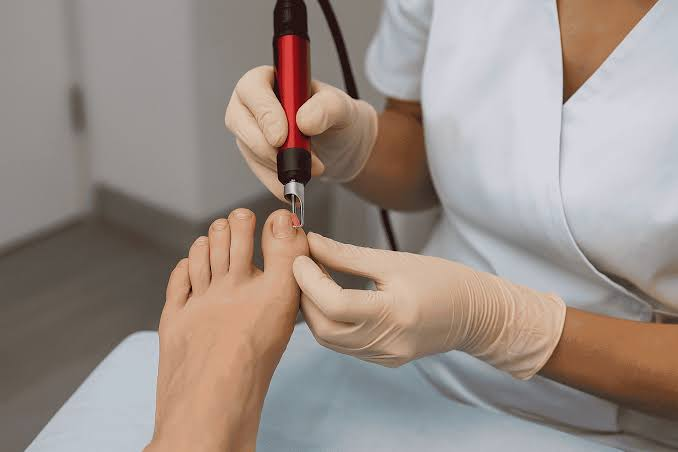
Laser Therapy
Laser treatment has become an increasingly popular option for stubborn nail fungus.
The laser targets fungal organisms beneath the nail while causing minimal damage to surrounding tissue.
Potential benefits include:
- Non-invasive treatment
- No recovery time
- Minimal discomfort
- Suitable for people unable to take oral medications
Multiple sessions are usually required for optimal results.
Nail Removal
In severe cases where the infection causes significant pain or extensive damage, partial or complete nail removal may be recommended.
Removing the infected nail allows healthier nail growth while improving the effectiveness of topical treatments.
Can Home Remedies Help?
Many people try home remedies before seeking medical treatment.
Although scientific evidence varies, some commonly used remedies include:
Tea Tree Oil
Tea tree oil has natural antifungal properties that may help mild infections.
Apply diluted tea tree oil carefully to the affected nail after cleaning and drying the area.
Vinegar Soaks
Soaking the affected foot in diluted vinegar may create an environment less favorable for fungal growth.
Coconut Oil
Coconut oil contains fatty acids with mild antifungal activity and may help protect surrounding skin.
Vicks VapoRub
Some small studies suggest that ingredients found in certain vapor rubs may improve nail appearance over time.
Home remedies are generally less effective than prescription treatments for established infections.
Daily Nail Care During Treatment
Good nail hygiene improves treatment success.
Helpful habits include:
- Keep nails trimmed short.
- File thickened nails carefully.
- Wash feet daily.
- Dry feet thoroughly.
- Change socks every day.
- Wear breathable footwear.
- Disinfect nail clippers regularly.
Avoid sharing nail care tools with others.
Preventing Nail Fungus
Preventing future infections is just as important as treating the current one.
Wear Breathable Shoes
Shoes made from breathable materials help reduce moisture buildup.
Alternate shoes daily to allow them to dry completely.
Choose Moisture-Wicking Socks
Socks designed to remove sweat help keep feet dry throughout the day.
Protect Your Feet in Public Areas
Wear sandals or flip-flops in:
- Public showers
- Locker rooms
- Swimming pools
- Spa facilities
Avoid Nail Trauma
Trim nails straight across and avoid cutting them too short.
Protect nails during sports or physically demanding activities.
Disinfect Footwear
Antifungal shoe sprays or powders help eliminate fungal spores that may remain inside shoes.
Who Is Most at Risk?
Certain individuals have a higher chance of developing nail fungus.
Risk factors include:
- Diabetes
- Poor circulation
- Advanced age
- Athlete’s foot
- Frequent swimming
- Excessive sweating
- Nail injuries
- Family history of fungal infections
Understanding personal risk helps encourage preventive care.
How Long Does Treatment Take?
Treating nail fungus requires patience.
Even after the fungus is eliminated, the damaged nail must grow out completely.
Typical recovery times include:
- Fingernails: 4 to 6 months
- Toenails: 9 to 18 months
Stopping treatment too early increases the likelihood of recurrence.
When to See a Doctor
Consult a healthcare professional if:
- The infection spreads.
- The nail becomes painful.
- Multiple nails are affected.
- Home treatment fails.
- You have diabetes.
- You notice swelling or pus.
- Walking becomes uncomfortable.
Prompt treatment improves the chances of a full recovery.
Common Myths About Nail Fungus
Myth 1: Nail Fungus Will Go Away on Its Own
Most fungal nail infections require treatment and rarely disappear without intervention.
Myth 2: Nail Polish Can Hide the Problem
Cosmetic nail polish only conceals discoloration and may trap additional moisture, allowing the fungus to worsen.
Myth 3: Only Older Adults Get Nail Fungus
Although more common with age, nail fungus can affect people of all ages, especially athletes and individuals with frequent exposure to moist environments.
Myth 4: Once Treated, Nail Fungus Never Returns
Recurrence is possible if preventive measures are not followed consistently.
Conclusion
Nail fungus is a common but treatable condition that affects the appearance and health of the nails. Early diagnosis, appropriate medical treatment, and consistent nail care provide the best chance of eliminating the infection and preventing future recurrences. Whether treatment involves topical medications, oral antifungal drugs, laser therapy, or a combination of approaches, patience is essential because healthy nails require time to grow. By practicing good foot hygiene, protecting your feet in public areas, and following your healthcare provider’s recommendations, you can maintain stronger, healthier, fungus-free nails.