KBB Car Value Guide: Real Used Car Worth & Trade-In Secrets
When you decide to sell or trade your vehicle, one phrase always comes up: KBB Car Value. For exactly one hundred years, Kelley Blue Book has been the ultimate gold standard for figuring out what a used car is actually worth. Checking your vehicle’s valuation before talking to a buyer can save you thousands of dollars. It gives you the confidence to negotiate like a pro.
However, many car owners do not understand how the pricing system actually works. They often check a single number online and assume it is a guaranteed payout. In reality, car valuation changes every single week based on massive shifts in live auction data, regional supply, and consumer demand. If you want to get the most money for your ride, you need to understand how to read the blue book accurately.
This deep-dive guide will break down the entire valuation process into simple steps. We will explore how condition ratings alter your final price, why your location matters, and how to use this tool to your advantage. Let us jump in and unlock your car’s true financial potential.
What Exactly Is the KBB Car Value?
The kbb car value is a data-driven estimate of a vehicle’s market worth based on its specific year, make, model, and mileage. Kelley Blue Book collects hundreds of thousands of real-world transaction data points every single week. They look at wholesale auctions, dealership sales, and private transactions to see what real people are actually paying. This massive data pool allows them to create a highly accurate benchmark for almost every vehicle on the road.
When you look up your vehicle, you will notice that the system does not just give you one flat number. Instead, it provides a pricing range known as the Fair Market Range. This range shows you what most people in your specific area are paying for similar cars. It acts as a realistic field guide so buyers and sellers can agree on a fair price without any guesswork.
Understanding this number protects you from getting lowballed by an aggressive buyer. It also prevents you from overpricing your car and watching it sit on the market for months. It is the quickest way to ground your expectations in true market reality.
The Difference Between Trade-In and Private Party Values
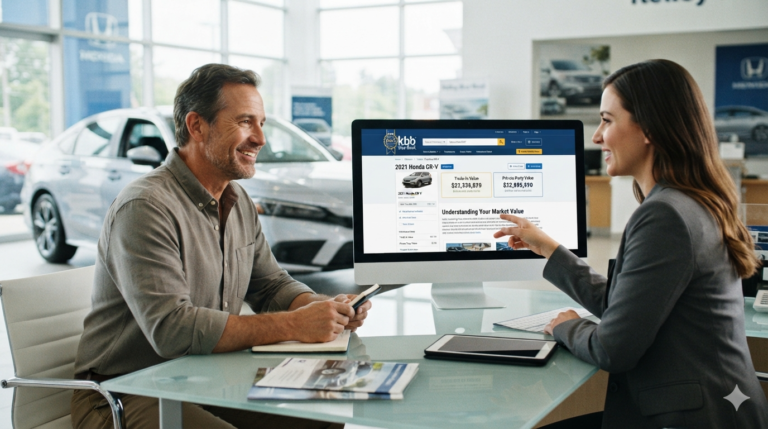
One major mistake people make when checking their kbb car value is confusing the trade-in price with the private party price. The trade-in value is what a local dealership will offer you to buy your car on the spot. This number is always lower because the dealer must spend money to clean, repair, and market the vehicle before they can resell it at a profit.
On the flip side, the private party value is what you can expect to get if you sell the car yourself to an individual buyer. This number is significantly higher because you are doing all the hard work of listing the car, meeting buyers, and handling the paperwork. You get to pocket the extra cash that would otherwise go to a dealership’s profit margin.
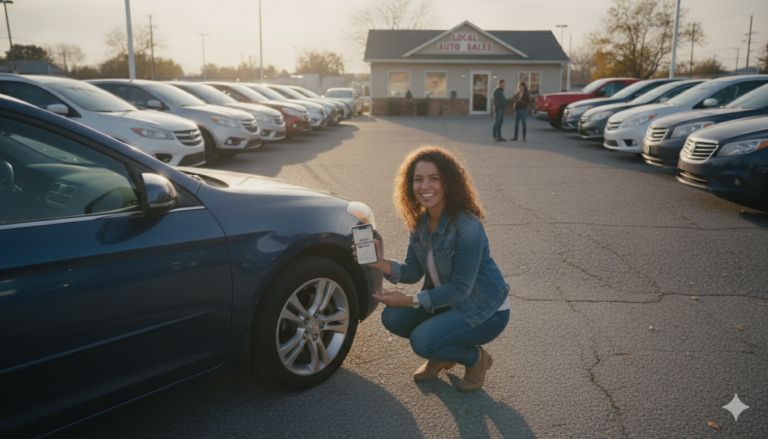
Choosing the right path depends entirely on your personal goals. If you want maximum convenience and a fast process, trading your vehicle to a dealer is highly effective. If your absolute top priority is getting every single dollar possible, taking the time to sell it privately is the superior choice.
How Vehicle Condition Levels Swing Your Car Worth
Your vehicle’s physical and mechanical health plays a massive role in calculating your final kbb car value. The online system divides cars into four clear condition tiers: Excellent, Very Good, Good, and Fair. Many car owners accidentally overinflate their vehicle’s status because they love their ride. In reality, less than three percent of all used cars truly qualify for the top “Excellent” rating.
To get an accurate number, you must be brutally honest about every scratch, ding, and mechanical quirk. An Excellent car looks like it belongs on a showroom floor with zero cosmetic flaws and perfect records. Most well-maintained daily drivers actually fall into the Good or Very Good categories, which show normal wear from daily use.
If your car has minor mechanical issues, a cracked windshield, or mismatched tires, it will drop to the Fair tier. Lowering your condition score by just one tier can instantly slice thousands of dollars off your valuation. Be objective during this step so your online estimate matches real-world offers.

Complete Car Condition Comparison Breakdown
To help you figure out exactly where your vehicle fits, we have laid out the official criteria used to determine value. Check your vehicle against these specific benchmarks before locking in your final expectations.
| Condition Tier | Mechanical Health | Exterior & Interior Paint/Body | Tire & Service History | Percentage of Cars |
| Excellent | Perfect; zero leaks; quiet engine | Flawless; no bodywork ever; no rust | Matching new tires; full records | Less than 3% |
| Very Good | Excellent; no leaks; passes all tests | Minor cosmetic spots; no rust | Matching tires; 75% tread left | Around 25% |
| Good | No major issues; minor fluid weeping | Small repairable scratches or dings | Matching tires; 50% tread left | Around 55% |
| Fair | Needs service; minor mechanical leaks | Dings, chips, rust, or interior tears | Needs replacement tires soon | Around 17% |
Why Geography and Location Alter Your Pricing
Your zip code is a secret ingredient that heavily modifies your overall kbb car value. The pricing algorithm tracks 134 distinct geographic regions across the country because car demand is highly localized. A vehicle that sells like hotcakes in California might sit on a lot for weeks in Maine due to different weather patterns and lifestyle needs.
For example, a rear-wheel-drive convertible will command a massive premium in sunny Florida during the spring. However, that exact same car will drop in value in snowy Colorado, where buyers desperately want all-wheel-drive SUVs. Local supply also matters; if your town is flooded with used pickup trucks, local dealers will offer less for yours.
Always input your exact zip code when running a valuation report. Using a generic or distant zip code will give you an incorrect price range that does not match local market realities. Keep your search local to get numbers you can actually use at the negotiation table.
How Mileage and Age Calculate True Depreciation
Mileage is one of the most powerful metrics used to adjust your kbb car value up or down. The system uses advanced statistical models to calculate how many miles a vehicle should typically have based on its age. The general industry benchmark is roughly 12,000 to 15,000 miles driven per year.
If your vehicle has significantly fewer miles than the typical average, its valuation will receive a healthy upward bump. This is because low-mileage components have less wear and tear, meaning the next owner faces fewer immediate repair bills. Conversely, a vehicle piled high with highway miles will see a sharp downward penalty.
Remember that all vehicles suffer from natural depreciation, usually losing fifteen to twenty percent of their value each year. However, some brands hold their value much better than others over time. Keeping your annual mileage low is the single best way to slow down this unavoidable loss of worth.
The Power of Factory Options and Upgrades
When calculating your kbb car value, every factory option you select can add extra cash to your bottom line. Major upgrades like leather seating, advanced driver-assist safety packages, panoramic sunroofs, and premium sound systems are highly desired by used car shoppers. The online tool lets you check specific boxes for these features to ensure they are counted.
However, it is important to know that aftermarket modifications do not work the same way. Spending thousands of dollars on custom rims, loud exhaust pipes, or dark window tints rarely increases your official valuation. In fact, heavy modifications can actually lower your value because they alienate mainstream buyers who want an unmolested, factory-original car.
Stick to listing genuine factory options when generating your report. Upgrades depreciate over time just like the base vehicle, but they still provide a noticeable edge over a completely stripped-down base model.
Using the KBB Price Advisor at the Dealership
The Price Advisor is a highly visual tool built into the system that helps both buyers and sellers communicate realistically. When you search for a car, it displays a distinct color-coded gauge. The green zone on this gauge represents the Fair Market Range, showing the sweet spot where the vast majority of real local transactions are happening.
If a dealership is offering you a price within this green zone, you can move forward knowing you are getting a fair deal. If their offer falls into the red zone, it means they are pricing the car too high or lowballing your trade-in. This gives you instant, objective visual proof to back up your counteroffer.
Walking into a dealership with a printed Price Advisor report completely changes the dynamic of the conversation. It shows the salesperson that you have done your homework and understand current market trends. It shifts the discussion from emotional guessing to hard, undeniable data.
Avoid Common Pitfalls When Estimating Car Value
The biggest mistake you can make when looking up your kbb car value is failing to read the fine print. Many users look at the absolute highest number on the screen and refuse to accept a penny less. This rigid mindset can ruin your chances of making a clean, successful deal with a serious buyer.
Another major pitfall is ignoring recent vehicle history reports. If your car has been in a documented fender bender, its real-world value will drop, even if it was repaired perfectly. The online tool assumes a clean title history unless you specifically factor in historical damage.
Finally, remember that the digital market moves incredibly fast. A valuation report from six months ago is completely useless today. Always run a fresh report the exact week you plan to list your vehicle to ensure your numbers reflect current economic conditions.
Step-by-Step Guide to Finding Your Car Value
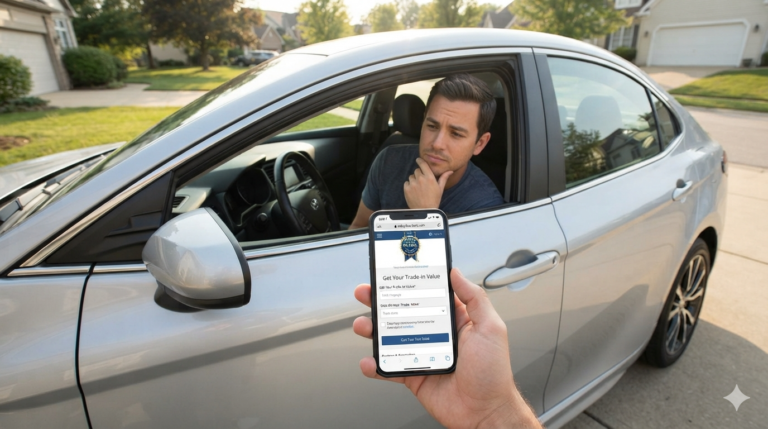
Getting an accurate valuation is incredibly simple if you follow the proper steps. Gather your vehicle information and follow this exact sequence to get your official report.
1.Gather Your Vehicle Basics:Takes 2 minutes.
Locate your exact year, make, model, and trim level. Grab your current mileage reading from the dashboard. For the highest accuracy, find your 17-digit Vehicle Identification Number (VIN) on your insurance card.
2.Input Your Specific Location:Crucial for regional pricing.
Enter your exact local zip code into the tool. This ensures the pricing engine uses transactional data from dealerships and auctions directly in your immediate neighborhood.
3.Select Options and Packages:Check all factory features.
Carefully check the boxes for all factory-installed features like all-wheel drive, leather seats, navigation, or premium wheels. Do not include any aftermarket additions you bolted on later.
4.Select Your Honest Condition Tier:Be highly objective.
Review the condition criteria carefully. Be completely honest about mechanical health and body scratches. Drop your rating to Good or Fair if the vehicle has visible wear.
5.Compare Values and Export:Analyze your results.
Review your Trade-In, Private Party, and Instant Cash Offer values side-by-side. Print or save the PDF report to bring with you to negotiations.
Conclusion
At the end of the day, knowing your kbb car value is all about claiming power over your own money. Whether you are trading your vehicle in for a shiny new upgrade or listing it online for a private sale, this data keeps you safe from bad deals. It transforms the stressful world of car sales into a fair, transparent transaction.
Be completely honest about your car’s condition, look up your exact zip code, and keep your mileage in mind. Use the green zone of the Price Advisor to guide your negotiations confidently. With these steps, you will easily secure top dollar for your vehicle.
Frequently Asked Questions
How often do blue book values update?
The valuation data is verified and updated at least once every single week. This frequent adjustment ensures that the prices closely track live shifts in automotive auctions, seasonal demand, and changing fuel prices across the country.
Can a dealer refuse to match my online valuation?
Yes, a dealership can absolutely refuse to match the online number. The digital report is an informational guide, not a legal contract. If a dealer spots hidden frame damage, bad tires, or mechanical oil leaks during their physical inspection, they will lower their offer.
Does a minor accident report ruin my car worth?
A minor accident will generally lower your vehicle’s overall worth, even if the body repairs look completely flawless. Used car buyers are highly cautious. A documented accident on a vehicle history report automatically adds perceived risk, which drops the vehicle out of the top condition tiers.
What is the KBB Instant Cash Offer?
The Instant Cash Offer is a real, fixed offer from participating local dealerships to buy your car on the spot. Unlike a standard online estimate range, this is a firm transactional offer based on specific details you input about your car’s actual condition.
Why is the Edmunds value different from KBB?
Different valuation platforms use completely distinct proprietary algorithms, data streams, and wholesale auction partnerships to calculate their numbers. It is highly normal to see a variance of a few hundred to a couple thousand dollars between different online tools.